
The French Alpine town is preparing for an Olympic transformation. A review of recent press coverage reveals both the promise of a lasting legacy and questions about heritage, housing and public spending.
Briançon’s mountain setting and historic fortifications are becoming the backdrop to a major Olympic development project. As preparations advance for the French Alps 2030 Winter Olympics, the town’s planned athletes’ village has emerged as one of the most closely watched developments in the Southern Alps.
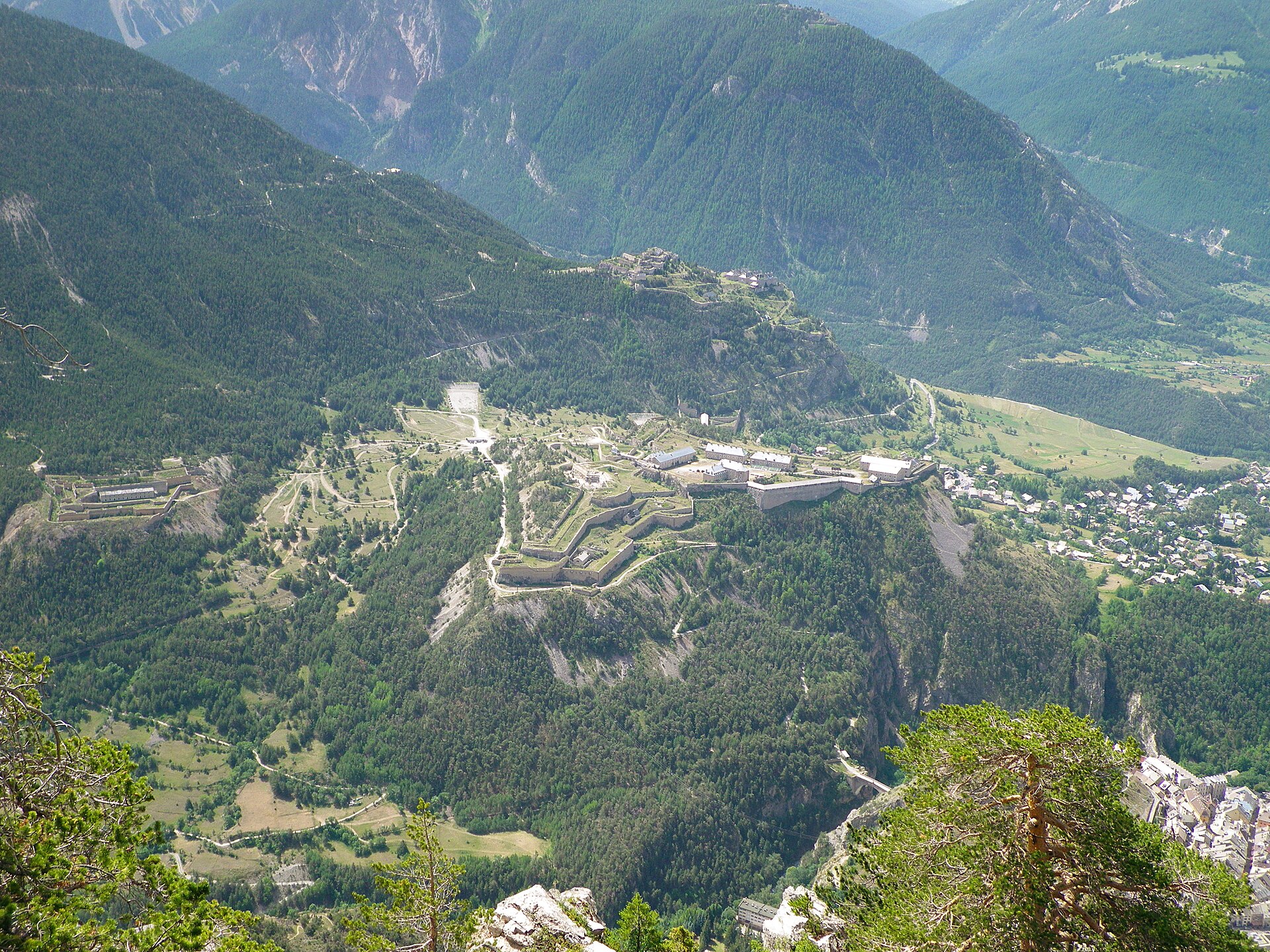
At its centre stands Fort des Trois-Têtes. Its proposed conversion brings together two ambitions: accommodating Olympic athletes and giving a historic military site a new purpose. But the project also raises a question that runs through recent reporting: how much will the Games improve everyday life for local residents?
An Olympic Base for the Briançon Area
Briançon’s role centres on athlete accommodation, alongside competition venues in the surrounding mountains. Serre Chevalier’s tourism office identifies La Salle-les-Alpes as a planned venue for freestyle events, including moguls, aerials and big air. Its presentation places the Briançon Olympic village within the wider network serving the area’s competitions.
This distinction matters: the Olympic project extends beyond the town itself. Briançon would act as an accommodation and service hub within a broader mountain destination.
Fort des Trois-Têtes: A New Chapter for a Historic Site
According to the municipality, the fort is expected to accommodate between 900 and 1,200 athletes. After the Games, the development is intended to provide homes, hotel facilities and public amenities.
The former Schappe factory forms another part of the redevelopment programme, with housing and commercial space planned for its post-Olympic use. Together, these projects underpin the city’s argument that Olympic investment can restore neglected buildings while addressing local needs. These remain planned outcomes rather than completed benefits.
Press Review: What the Coverage Highlights
Nos Alpes, 30 April 2026 — Uncertainty before the project took shape.
Reporting on a SOLIDEO press conference, the regional publication highlighted unresolved questions surrounding the fort’s conversion. It described the difficulties of adapting a protected, partly isolated site and stressed the need for clearer information and consultation with residents. This offers useful context for understanding the project’s subsequent progress.
Le Monde, 24 September 2026 — A debate about the future of mountain communities.
The newspaper examined divisions surrounding Briançon’s Olympic developments. Its reporting connected promises of housing and better transport with concerns about consultation, social balance and the pressures of climate change. The central issue extends beyond sport: what kind of mountain town should emerge after 2030?
Mediapart, 29 September 2026 — Scrutiny of property transactions.
Mediapart questioned the proposed sale price of buildings within the fort and the private property operations associated with the Olympic village. Its investigation frames the redevelopment as an issue of public assets and financial accountability. These criticisms should be distinguished from the municipality’s stated objectives.
Le Monde, 2 October 2026 — Preparations advance under time pressure.
The newspaper reported that cliff-stabilisation work had begun near the fort and that the municipal council had approved its acquisition from the state. Its coverage emphasised the tight construction timetable accompanying the infrastructure programme.
The Real Test Will Come After the Games
Taken together, the coverage suggests that Briançon’s Olympic legacy will depend on delivery: useful housing, accessible transport, responsible spending and a convincing future for its historic buildings.
The town has an opportunity to turn international attention into lasting local improvements. Whether it succeeds will be measured in the years after the athletes leave, through the places residents can afford to live and the services they can use.